Homeowner's Guide to choosing the right air duct cleaning service
Homeowner's Guide to choosing the right air duct cleaning service
Blog Article
Air Duct Cleaning: Breathe Better With These Vital Tips
Air duct maintenance plays an important role in preserving a clean indoor environment. It eliminates contaminants and allergens that can compromise air quality. Recognizing when ducts require attention is essential for optimum HVAC performance. Homeowners typically overlook the tools and techniques required for effective cleaning. Understanding these elements can significantly improve energy efficiency and comfort. What measures should one execute to guarantee cleaner air and a more efficient system?
How Air Duct Cleaning Strengthens Your Overall Wellness
Air duct cleaning greatly enhances air purity inside homes, resulting in better wellness for occupants. Over time, dirt, irritants, and harmful particles build up in the ductwork, circulating through the air. This accumulation can exacerbate breathing difficulties, allergic reactions, and various health concerns. By eliminating these contaminants, air duct cleaning reduces the likelihood of airborne illnesses and encourages a healthier living environment.
In addition, immaculate air ducts can improve the efficiency of heating and cooling systems, yielding more uniform temperatures and reduced energy demand. This not only contributes to overall satisfaction but also limits exposure to injurious materials that can be discharged when systems are improperly maintained.
Periodic cleaning of air ducts assures that fresh, clean air flows throughout the home, promoting better sleep, increased energy levels, and overall health. Ultimately, maintaining clean air ducts is an important step in protecting the health of all occupants.
Warning Signs Your Ducts Require Cleaning?
Regular maintenance of air ducts is vital for sustaining a healthy living environment. Homeowners should remain watchful for several red flags indicating that duct service is required.
One key indicator is visible dust or debris near vents or the air filter, suggesting accumulated dirt within the ducts. Additionally, if occupants experience increased allergy symptoms, such as sneezing or congestion, it may suggest that pollutants are circulating in the air.
Unpleasant scents issuing from vents may also point to mold growth or stagnant debris. Moreover, if the HVAC system is performing inefficiently, requiring frequent repairs or resulting in inconsistent temperatures, dirty ducts could be the culprit.
Finally, a surge in energy expenses might suggest a congested unit experiencing difficulty pushing air through. Spotting these warning signs can help confirm routine upkeep and keep superior interior air standards.
DIY Air Duct Cleaning Tools You Need
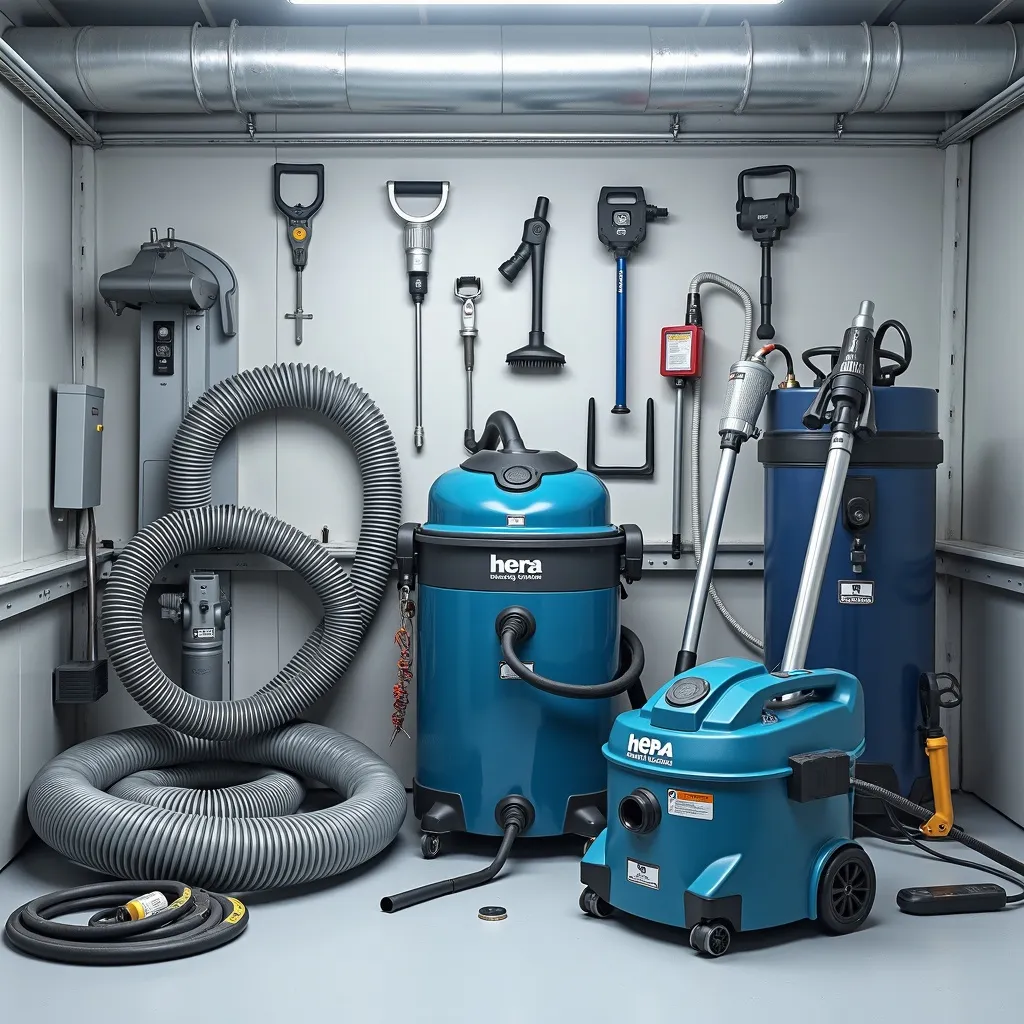
Preserving clean air ducts necessitates the right equipment to confirm proficient DIY cleaning. Essential equipment for this task include a vacuum cleaner equipped with a HEPA filter, which captures small particles and allergenic materials.
A assortment of brushes, specifically designed for duct cleaning, helps remove dirt and particles from the duct walls. Additionally, a flashlight is invaluable for inspecting dark areas in the duct system, ensuring complete cleanliness.
Safety equipment, such as hand protection and a dust mask, is essential to guarantee safety while handling dust and potential contaminants. A set of screwdrivers is also necessary for removing vent covers and access panels.
Finally, a wet rag can be employed to clean vent areas after maintenance. Together, these instruments form a detailed kit for anyone seeking to address air duct maintenance safely and effectively.
Gather Necessary Tools
Collecting the appropriate tools is necessary for a effective air duct cleaning operation. A high-quality vacuum cleaner with a HEPA filter is essential for removing dust and allergens.
A collection of cleaning tools, including a long-handled duct brush, assists in dislodging debris from the duct walls. Adaptable duct cleaning rods can extend reach and facilitate access to hard-to-reach areas. Additionally, having a flashlight permits thorough inspection of the ducts' interiors.
Protective equipment, such as gloves and masks, guarantees safety while cleaning. Finally, a step ladder may be necessary for accessing higher vents.
Prepare Your Space
A well-arranged space is crucial for an productive air duct cleaning procedure. First, the area around vents should be emptied of furniture and obstacles to enable easy access. This helps prevent any damage to belongings and ensures a thorough cleaning.
Following this, property owners should seal supply vents with plastic sheeting to contain dust and debris during the procedure. It is also recommended to turn off the HVAC system to avoid circulating contaminants.
Finally, positioning a vacuum with a HEPA filter nearby can assist in trapping any particles dislodged during cleaning. By following these steps, individuals establish an optimal setting that facilitates effective air duct cleaning and enhances overall results.
Completely Clean Ducts
Prior to commencing the air duct cleaning process, it's important for homeowners to grasp the step-by-step approach that guarantees thoroughness and effectiveness.
At the start, you should procure essential tools, comprising a vacuum, brushes, and microfiber cloths. Afterward, disable the HVAC system to ensure safety.
Then, remove the vent covers and clean them with warm soapy water. Using a vacuum cleaner, carefully remove dust and debris from the ducts. For more thorough cleaning, employ duct brushes to dislodge stubborn particles.
Once you finish cleaning, reinstall the vent covers and change the air filter. Finally, switch the HVAC system back on and check for any unusual sounds.
Opting for a Experienced Air Duct Purification Firm
How can one secure that they choose a dependable air duct cleaning service? First, it is important to research potential providers extensively. Verifying for certifications, such as those from the National Air Duct Cleaners Association (NADCA), confirms clients of adherence to industry standards.
Next, obtaining multiple quotations enables a assessment of options and rates. A dependable company will execute a thorough inspection before presenting an estimate, avoiding any deceptive inexpensive proposals.
Furthermore, ask about the cleaning methods get going and equipment being used; a reputable service will employ advanced tools and techniques.
Finally, verify the company has adequate insurance and is bonded, protecting clients from potential damages.
How to maintain clean Air Ducts Year-Round
Keeping air ducts clean continuously is necessary for securing superior indoor air quality and effective system performance. Regular inspections are essential; homeowners should check ducts for debris and dust accumulation every few months.
High-efficiency air filters substantially decrease pollutants, as these filters capture smaller debris that standard filters might miss. It is wise to change these filters every three months minimum or per maker recommendations.
Furthermore, reducing internal air contaminants can assist in preserving duct purity. This includes restricting dust-producing activities, such as cigarette use or using certain candles, and confirming adequate ventilation when applying cleaning products.
Routine upkeep of the home, including sweeping and cleaning, helps minimize the amount of dust that could enter the ducts. Finally, scheduling a professional cleaning every few years can further guarantee that air ducts remain free from dangerous deposits, encouraging a healthier living environment.
Air Duct Upkeep: Costs vs. Advantages
Assessing the monetary considerations of air duct cleaning provides key insights for homeowners. The upfront expense commonly ranges from $300 to $1,000, contingent upon factors like the size of the home and the sophistication of the duct system.
While this might look significant, the potential benefits often outweigh the costs. Properly cleaned air ducts can boost indoor air quality, minimizing allergens and irritants. This may lead to fewer respiratory issues and lower healthcare costs over time.
Additionally, a clean duct system can improve HVAC output, potentially reducing energy bills by 10-30%. Homeowners should also evaluate the operational life of their HVAC systems.
Regular cleaning can stretch the lifespan of the equipment, cutting down on the need for premature substitutions. Ultimately, considering the starting expenses against long-term health benefits and energy efficiency can support property dwellers render informed decisions regarding air duct cleaning.
Regularly Requested Questions
What Times Should I Service My Air Ducts?
Professionals suggest having your air ducts cleaned every 3 to 5 years. However, conditions including pets, allergies, or recent renovations may require more frequent maintenance. Consistent maintenance provides improved air quality and operational efficiency for peak performance.
Can I to Cleanse My Air Ducts By Myself?
Although it's feasible to clean ducts independently, DIY techniques may not achieve thorough results. Proper tools and techniques are essential for successful duct maintenance, making professional assistance typically a more reliable choice for superior air quality.
What Risks Come from Filthy Air Ducts?
Contaminated air ducts may cause poor indoor air quality, increasing allergens and pollutants. This can trigger respiratory issues, allergies, and overall discomfort. Additionally, accumulated debris can impede HVAC efficiency, raising energy costs.
Do HVAC Cleaning Services Provide Warranties?
Many air duct cleaning services do offer commitments, securing customer satisfaction. These commitments often address the caliber of work completed, furnishing assurance that the service will fulfill particular benchmarks and address any issues that surface post-cleaning.
Is Air Duct Sanitizing a Worthwhile Investment?
Spending on air duct cleaning can prove advantageous, as it improves indoor air quality, enhances HVAC performance, and may increase system lifespan. Homeowners often experience noticeable improvements, making it a wise choice for many.
Report this page