Mississauga best Dust Collector Filters for efficient filtration solutions and cleaner systems
Mississauga best Dust Collector Filters for efficient filtration solutions and cleaner systems
Blog Article
The Full Guide for Air Filter Cleaning: Boost Your Home's Air Freshness
Air filters serve a critical function in maintaining indoor air quality by capturing harmful particles. Consistent upkeep and filter changes can significantly improve health and HVAC efficiency. However, many homeowners neglect the importance of proper maintenance. Knowing when and how to clean various filter varieties is vital. This guide provides practical insights, common pitfalls to avoid, and additional strategies for improving air quality. What steps can be taken to ensure lasting improvements in the home environment?
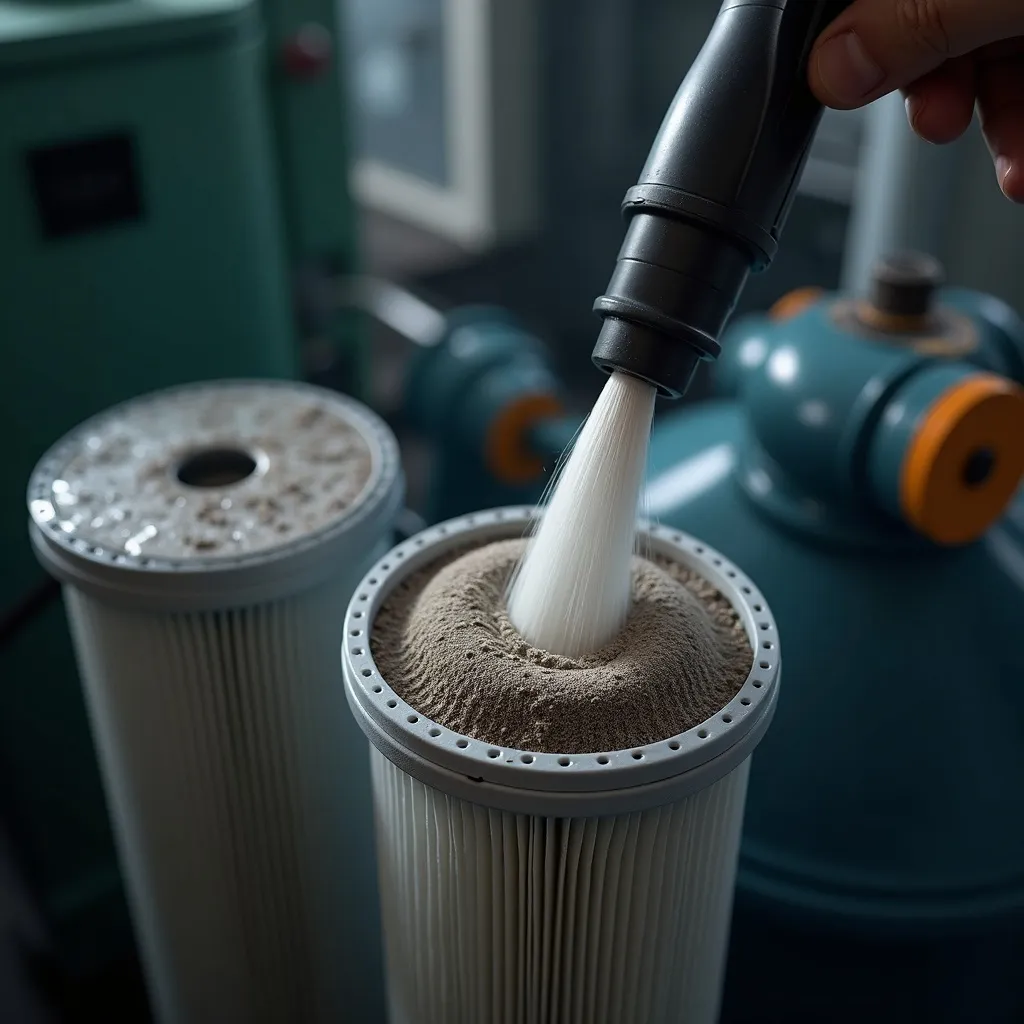
Why Update Your Air Filters? The Health Benefits Clarified
Regularly cleaning air filters is essential for preserving a healthy indoor environment. Buildup of dust, allergens, and pollen in air filters can lead to reduced air quality, which may worsen respiratory issues and allergies. By ensuring that filters are clean, families can greatly reduce airborne pollutants, fostering a more secure space for all residents.
Furthermore, clean air filters enhance the output of HVAC systems, bringing about enhanced circulation and temperature control. This output means smaller energy bills, as the system does not have to push as hard to maintain optimal conditions. Additionally, a well-maintained air filter can preserve the lifespan of HVAC equipment, cutting the need for pricey repairs.
How do you know when to clean or change your air filters?
How often should air filters be cleaned or replaced? The frequency is determined by multiple elements, such as the filter type, household conditions, and usage habits. Typically, single-use filters should be changed every one to three months, while washable filters may need cleaning every 1 to 2 months. Homes with animals, smoke exposure, or high pollen levels may necessitate more regular replacements due to higher dust and allergens.
Conducting a visual inspection can further be a guideline. If the filter appears filthy or clogged, it is time for changing or maintenance. HVAC systems may feature particular recommendations based on their make, so consulting the manufacturer’s guidelines is advisable.
Regular servicing not only prolongs the life of the air filtration system but also guarantees optimal air quality. Monitoring air filter condition helps maintain a cleaner indoor environment, ultimately benefiting the well-being of all household members.
Superior Equipment for Purifying Air Filters
Cleaning air filters effectively demands the right tools to guarantee peak performance and longevity. Essential tools consist of a vacuum cleaner equipped with a brush attachment, which can effectively remove dust and debris from filters. A soft brush or microfiber cloth can also be advantageous for gently scrubbing surfaces without causing damage.
Furthermore, a hose equipped with a spray nozzle assists with rinsing washable filters, guaranteeing all contaminants are eliminated. For filters needing deep cleaning, a gentle soap mixture may be utilized, so possessing a mixing bucket is recommended. Finally, a set of gloves can protect hands from dirt and chemicals.
For specialized air filters, such as HEPA or activated carbon, consulting the producer's instructions is vital. Overall, acquiring the appropriate instruments not only eases the cleaning task but also enhances the general indoor air quality within the home.
A Detailed Step-by-Step Guide to Servicing Different Types of Air Filters
A thorough approach to maintaining air filters ensures optimal functioning and extends their lifespan. The first step requires identifying the type of air filter, whether it be HEPA, washable, or disposable. For HEPA filters, light suction is advised to remove surface dust, followed by gentle cleaning with a damp cloth. Washable filters need washing under lukewarm water to eliminate debris, ensuring they become dry completely before reinstallation. Disposable filters, however, should be replaced rather than cleaned; inspecting them for wear is crucial.
Next, examining the manufacturer's guidelines provides specific instructions tailored to the filter type. Routine maintenance schedules, preferably every one to three months, help preserving efficiency. Finally, during the cleaning process, people should use protective gear, such as gloves and masks, to avoid inhalation of dust and allergens. Implementing these steps will greatly improve indoor air quality and ensure ideal airflow throughout the home.
Prevent These Popular Air Filter Upkeep Blunders
Cleaning air filters can result in unforeseen difficulties if typical errors are not avoided. Disregarding the particular needs of different filter types and overusing cleaning products can reduce performance and create harm. Identifying these traps is essential for maintaining ideal air quality and prolonging filter life.
Overlooking Filter Classification
Many property owners overlook the significance of filter type when maintaining air filters, resulting in ineffective maintenance and possible harm. Various air filter types, such as HEPA, pleated, and electrostatic, each have unique cleaning requirements. For instance, HEPA filters are designed to capture microscopic particles and should typically be replaced rather than cleaned, as cleaning can compromise their effectiveness. Conversely, cleanable filters can be cleaned multiple times, but employing wrong techniques may reduce their lifespan. Ignoring the particular instructions linked to each filter type can cause poor air quality and elevated energy costs. Homeowners should familiarize themselves with their filter specifications to guarantee proper care and peak performance in preserving indoor air quality.
Overdependence on Maintenance Products
Overusing cleaning solutions can unintentionally damage air filters rather than improve their performance. Many people mistakenly believe that using more cleaning agents will produce better results. However, overuse can result in product accumulation, which blocks the filter and lowers airflow. This not only undermines the filter's efficiency but can also introduce harmful chemicals into indoor air. Additionally, harsh cleaning techniques may damage the filter material, shortening its lifespan. It is crucial to adhere to manufacturer guidelines regarding how often to clean and product recommendations. Selecting mild, appropriate cleaners ensures that air filters preserve their effectiveness without adverse effects. Exercising moderation in cleaning product usage protects both air quality and the integrity of the filters.
Guidelines for Maintaining Your Air Filters and Promoting Sustained Performance
Caring for air filters is essential for maintaining optimal performance over time. Creating a consistent maintenance routine and take action sticking to correct filter change procedures can substantially improve air quality and system efficiency. By emphasizing these habits, individuals can prolong the lifespan of their air filters and improve overall system function.
Routine Cleaning Schedule
A steady cleaning schedule is crucial for ensuring the peak performance of air filters. Homeowners should develop a routine based on the sort of filter and various environmental factors. For example, HEPA filters usually require infrequent cleaning than standard disposable filters. It is wise to check filters monthly, especially during periods with high demand, such as summer and winter. If dirt or debris is noticeable, cleaning should be a priority. Regular maintenance not only boosts air quality but also lengthens the lifespan of the filter. Using a calendar or reminder system can assist individuals in staying on track. By following a regular schedule, homeowners can maintain ideal airflow and efficiency, providing a healthier living environment for all.
Correct Filter Substitution
Replacing air filters regularly is essential for maintaining ideal performance and air quality. Homeowners should establish a replacement schedule based on filter type and usage. For standard fiberglass filters, replacing them every one to three months is advisable, while high-efficiency particulate air (HEPA) filters may last six months or longer. Additionally, factors such as pet ownership, seasonal allergies, and environmental conditions can require more frequent replacements. It is important to select the correct size and type of filter for the specific HVAC system to guarantee maximum airflow and filtration efficiency. Regularly checking the filters for dirt and debris can provide a visual cue for timely replacement, ultimately enhancing indoor air quality and prolonging the life of the HVAC system.
Simple Methods to Improve Home Air Quality Beyond Filters
While air filters play an essential role in advancing indoor air quality, numerous additional strategies can additionally help to a improved home environment. One proven method is to increase ventilation by opening windows and doors when weather permits, allowing fresh air to circulate. Leveraging exhaust fans in kitchens and bathrooms can also help eliminate indoor pollutants.
Routinely cleaning surfaces and cutting down on clutter minimizes dust accumulation, promoting cleaner air. Placing indoor plants not only beautifies a space but also improves air quality by absorbing toxins and expelling oxygen. Going with low-VOC (volatile organic compounds) paints and furnishings can diminish harmful emissions.
Maintaining ideal humidity levels between 30-50% prevents mold growth and dust mites. Additionally, avoiding smoking indoors and applying safe cleaning products can greatly improve air quality. By adopting these strategies, homeowners can establish a safer and more inviting living environment.
Popular Inquiries Posed Regularly
Is it feasible to wash throwaway filters and repurpose them?
No, disposable air filters are not intended for cleaning and reusing. Cleaning them can damage their integrity and decrease performance, leading to lower air quality. It's recommended to change them on a regular basis for optimal efficiency.
How Regular Should My Air Filter Checks Be?
Checking air filters every month is advisable. Routine checks help detect dirt buildup, enabling prompt replacement or cleanings, ultimately ensuring optimal air quality and HVAC system performance for a cleaner living space.
What Develops if I Don't Clean My Air Filters?
Skipping air filter cleaning can lead to reduced airflow, decreased energy efficiency, and greater amounts of dust and allergens in the home. Over time, this may provoke respiratory issues and burden on HVAC systems, resulting in substantial repair bills.
Can Air Purifiers Remove the Requirement for Filter Maintenance?
Air purifiers cannot eliminate the need of filter cleaning. While they reduce pollutants, filters still accumulate dust and debris, necessitating regular maintenance to ensure peak air quality and performance in the home.
Are there eco-friendly options for air filters?
Indeed, environmentally friendly alternatives for air filters exist. These filters commonly leverage renewable resources, such as repurposed materials or organic materials, and can improve air quality while reducing environmental impact, making them a conscientious choice for consumers.
Report this page